
If you’ve ever tried building a website, you probably know the feeling: excitement at first, then overwhelm, then a sinking thought “How do I make this actually work?”
Designing a website isn’t just about colors, fonts, or animations. It’s about creating an experience one that captures attention, engages visitors, and convinces them to take action. In short, a website should not just exist; it should perform.
Here’s a practical guide to designing websites that don’t just look good but also attract and engage visitors from concept to launch.
1. Start with a Clear Concept
Before you open your design software or pick a color scheme, ask yourself:
- Who is my audience?
- What problem am I solving for them?
- What action do I want them to take on my site?
Your website concept is like the blueprint of a house. Without it, you risk building something beautiful but useless.
For example, an e-commerce website might focus on easy navigation and product discovery, while a portfolio site might focus on visual storytelling. The purpose shapes the design.
Tip: Write a one-sentence mission for your website. Something like,
“I want visitors to understand my services and book a consultation within 2 minutes of landing on my page.”
This clarity will guide every design decision.
2. Plan the User Journey
Designing a website isn’t just about making it pretty it’s about guiding visitors along a path.
Start by mapping the user journey:
- How does a visitor land on your site?
- What pages will they see first?
- What action do you want them to take next?
This is called information architecture, and it’s the backbone of an engaging website.
Pro tip: Use simple navigation. Don’t make visitors think too hard about where to click. Clear menus, buttons, and headings make a huge difference in engagement.
3. Focus on Visual Hierarchy
Humans are visual creatures. When someone lands on your page, their eyes naturally follow patterns.
Visual hierarchy is about guiding attention:
- Headlines first
- Key benefits next
- Supporting details last
Use font sizes, colors, spacing, and imagery strategically. For example, a bright CTA button pops out if your background is muted.
Think of your website like a movie scene you want the eye to go exactly where it should, in the order that makes sense.
4. Prioritize User Experience (UX)
A gorgeous website can fail if it’s hard to use. UX is everything that affects a visitor’s interaction with your site.
Ask yourself:
- Is it easy to read?
- Can visitors find information quickly?
- Is the site fast to load?
- Does it work on mobile?
Mobile responsiveness is no longer optional. More than half of web traffic comes from mobile devices, and a slow or messy mobile experience will drive people away instantly.
5. Craft Compelling Content
A great website design isn’t just visuals it’s words too.
Engaging content is:
- Clear and concise
- Written for your audience, not you
- Structured with headings, bullets, and visuals
Remember, most people scan websites rather than read word-for-word. Make your content digestible, persuasive, and actionable.
Tip: Include microcopy small pieces of text like “Sign Up Free” or “Learn More” that guide users subtly toward your goals.
6. Integrate Strong Calls-to-Action (CTAs)
A website without clear CTAs is like a store with no checkout counter visitors don’t know how to take the next step.
Every page should have a purpose and a corresponding CTA:
- “Book a consultation”
- “Download our free guide”
- “Subscribe to our newsletter”
Make CTAs visible, actionable, and irresistible. Think about language that creates a sense of urgency, curiosity, or benefit.
7. Leverage Visual Storytelling
Humans remember stories better than facts. Use images, videos, or graphics to tell a story about your brand or product.
- Show your product in action
- Highlight customer success stories
- Use before-and-after visuals
Visual storytelling keeps visitors engaged longer and makes your website more memorable.
8. Optimize for Speed and SEO
A beautiful website is useless if no one sees it or it takes forever to load.
- Compress images
- Use clean code
- Avoid heavy animations
And don’t forget SEO. Use keywords naturally in headings, meta descriptions, and alt text. This helps search engines find your site and your ideal visitors too.
Fast, optimized, and discoverable that’s a website that works.
9. Test Before You Launch
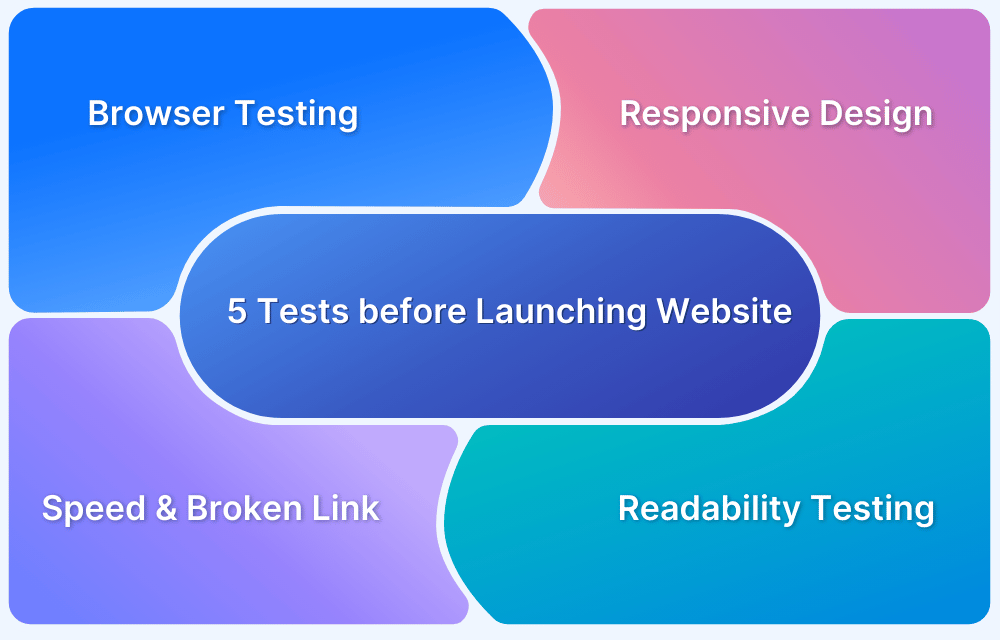
Launching is exciting, but don’t skip testing. Check:
- Broken links
- Mobile responsiveness
- Loading speed
- Forms and CTAs
Ask friends or colleagues to navigate the site as if they were a first-time visitor. Fresh eyes often catch problems you might have missed.
10. Launch and Monitor
Finally, it’s time to launch. But your job doesn’t end there. Monitor analytics:
- Which pages are popular?
- Where are visitors dropping off?
- Are CTAs performing?
Use this data to improve continuously. A website is never “done” it evolves as your audience grows and your business changes.
Bringing It All Together
From concept to launch, a website is more than just a digital presence. It’s your brand ambassador, your silent salesperson, and your first impression all in one.
The most successful websites do three things:
- Attract visitors with clarity and value
- Engage them with beautiful, intuitive design
- Convert them with clear actions and trust-building content
When you approach your website this way, it doesn’t just sit online it works for you, day and night.
Final Thoughts
Designing a website that attracts and engages isn’t about copying trends or using the latest flashy templates. It’s about understanding your audience, their needs, and how they navigate the digital world.
Be intentional with every decision from layout to colors, words to images. Make it easy for people to find what they need, enjoy the experience while they’re there, and take action without hesitation.
Remember: your website is your story, your personality, and your promise to your visitors all in one place. Treat it well, design with purpose, and you won’t have to chase clients they’ll come to you.